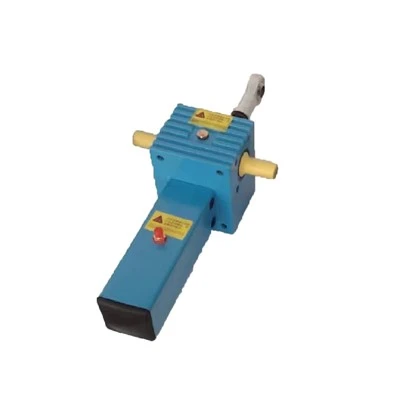
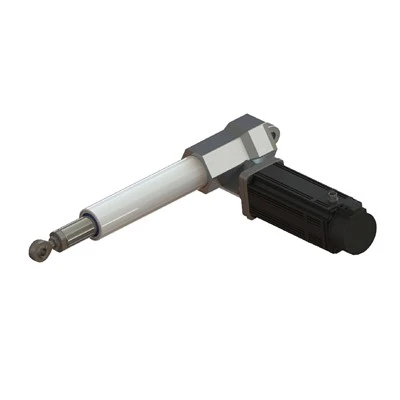
The service life of a Spiral Bevel Gearbox is closely related to its operating conditions, component wear, and maintenance practices. Prolonged operation under unsuitable conditions or a lack of necessary maintenance may reduce transmission efficiency and increase the likelihood of failure. Understanding the main factors that influence service life helps users operate the equipment appropriately and minimize unnecessary wear.
Load conditions are among the most important factors. During operation, gears and bearings are subjected to forces generated by power transmission. Prolonged overloading or frequent impact loads can increase mechanical stress on these components, potentially accelerating fatigue damage and wear. Users should select operating conditions appropriate for the equipment's intended application, avoid sustained operation beyond its capabilities, and minimize sudden loading and repeated impacts.
Lubrication is equally important. Lubricating oil reduces friction between gear teeth and bearing contact surfaces while helping control operating temperatures. If the oil level is insufficient, the lubricant becomes contaminated, or the oil is not replaced as recommended, internal components may experience accelerated wear due to inadequate lubrication. Users should inspect the lubrication condition according to the equipment manufacturer's instructions, replenish or replace the oil when necessary, and investigate any leakage.

Installation quality also affects service life. An unstable foundation, loose mounting points, or improper connections between the input shaft, output shaft, and associated equipment may create additional vibration and mechanical stress during operation. These conditions can affect transmission stability and increase wear on gears, bearings, and connecting components. During installation and maintenance, users should check the mounting stability and connections throughout the transmission system.
The operating environment should not be overlooked. In dusty environments, contaminants may enter the gearbox and affect lubricant cleanliness, accelerating component wear. In humid environments, inadequate sealing may allow moisture to affect lubrication and increase the risk of corrosion in certain components. Poor ventilation and insufficient heat dissipation may also cause operating temperatures to rise. Users should implement appropriate cleaning, protective, and sealing measures based on the working environment.
Operating practices and maintenance quality also influence service life. If abnormal noise, increased vibration, excessive temperatures, or oil leakage are ignored, minor issues may gradually develop into more serious damage. In contrast, regular inspections, timely troubleshooting, and proper lubrication and cleaning help identify potential problems early and reduce the risk of equipment failure.
Furthermore, the condition of gears, bearings, seals, and other components, along with the performance of associated equipment such as motors and couplings, can affect the service life of the entire transmission system. If connected components operate abnormally, they may place additional stress on the gearbox. Maintenance should therefore cover both the gearbox and the associated transmission components to ensure coordinated operation.
Overall, the service life of a Spiral Bevel Gearbox depends on a combination of load conditions, lubrication, installation quality, environmental factors, and maintenance practices. Users should establish an appropriate inspection schedule based on actual operating conditions, address abnormalities promptly, and avoid improper operating practices. Effective lubrication, proper operation, and regular maintenance can reduce component wear, minimize the risk of failure, and help the equipment operate reliably for longer.