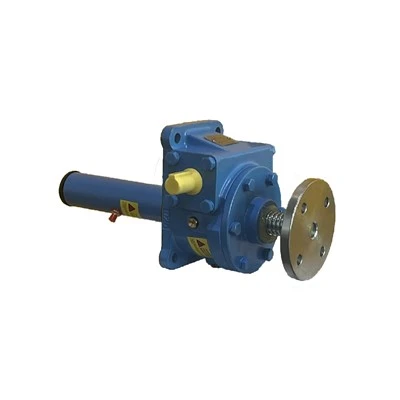
A Spiral Bevel Gearbox is primarily used to transmit power and change the direction of transmission. Its operating stability depends not only on the gears themselves but also on installation conditions, loading, lubrication, and routine maintenance. Maintaining stable performance requires a comprehensive approach to installation, operating practices, and equipment inspections.
First, installation quality is essential. The gearbox should be mounted on a stable foundation, securely fastened, and connected properly to the associated transmission components through its input and output shafts. If the mounting is unstable or the connections are improper, additional vibration may occur, affecting transmission smoothness and accelerating component wear. Before operation, users should inspect the mounting points and connections to ensure that all components work together correctly.
Second, the operating load should be controlled appropriately. Prolonged overloading or repeated impact loads can increase the mechanical stress on gears and bearings, accelerating wear. Users should operate the equipment according to its intended working conditions and avoid sudden loading, frequent impacts, and unnecessary start-stop cycles. If the load fluctuates considerably, the operating condition of the connected machinery should also be monitored to reduce stress on the transmission system.
Proper lubrication is equally important for stable power transmission. Friction occurs as gears mesh and bearings rotate. Effective lubrication reduces component wear and helps control operating temperatures. Users should check the lubricant condition and level according to the equipment manufacturer's instructions and address contamination, insufficient lubrication, or oil leakage promptly. The lubricant should be suitable for the equipment's operating conditions to support reliable gear and bearing performance.
Routine monitoring is also essential. During operation, users should pay attention to changes in noise, noticeable housing vibration, sustained temperature increases, and oil leakage around seals. If equipment that previously operated smoothly begins producing unusual sounds or transmitting power irregularly, the relevant components should be inspected promptly. Recording when an abnormality occurs and the conditions under which it develops can also help narrow down the cause and prevent further damage.
In addition, a gearbox usually operates in conjunction with a motor, coupling, drive shaft, and other mechanical components. Even if the gearbox itself appears to be in good condition, unstable operation or improper connections elsewhere in the system may affect overall transmission performance. Maintenance should therefore include the associated equipment and the connections between components.
Regular cleaning and maintenance can further improve operational stability. Users should schedule lubrication checks, fastener inspections, external cleaning, and operating condition assessments according to the working environment and equipment requirements. In dusty or humid environments, particular attention should be paid to sealing and protective measures to reduce the risk of contaminants entering the gearbox.
In conclusion, stable power transmission depends on proper installation, appropriate loading, effective lubrication, and consistent maintenance. By monitoring equipment condition and addressing abnormalities promptly, users can reduce mechanical wear, minimize the risk of failure, and help a Spiral Bevel Gearbox deliver reliable power transmission over time.