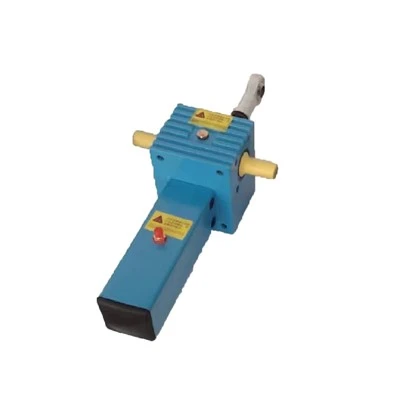
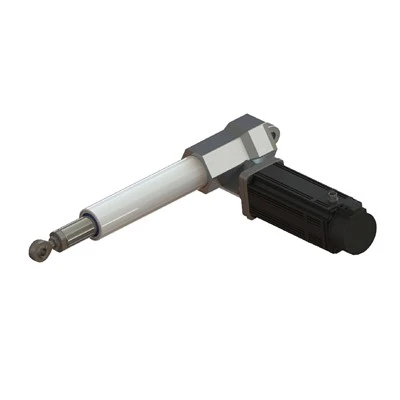
Industrial Electric Actuators are require to operate for extended periods in many industrial machines, and some equipment may need to perform continuous pushing, pulling, lifting, and positioning operations. Although Industrial Electric Actuators are designed for various industrial applications, prolonged operation places continuous demands on the motor and internal transmission mechanisms. Therefore, it is important to monitor their operating conditions and adopt appropriate operating and maintenance practices to ensure reliable performance.
First, attention should be paid to the working load. During operation, an Industrial Electric Actuator must overcome the resistance generated by external loads. If it operates under excessive loads for extended periods, the motor may experience increased operating stress, while the screw, nut, and other transmission components may be subjected to additional mechanical loads. Continuous operation under such conditions may accelerate internal wear and even affect normal equipment operation. Therefore, the load should be properly managed according to actual working requirements, avoiding loads that exceed the actuator's intended capacity.
Second, motor temperature should be monitored. Motors generate heat during prolonged operation. If heat dissipation is insufficient or the equipment starts and stops too frequently, the motor temperature may continue to rise. Excessive temperature can affect the motor's insulation performance and the normal operation of electrical components. Therefore, sufficient ventilation should be maintained around the motor, and the motor should not be covered by objects or installed in locations with poor heat dissipation. If an abnormal increase in temperature is detected, operation should be stopped and the cause investigated.
Third, the operating frequency should be controlled appropriately. Different Industrial Electric Actuators have different operating characteristics and duty requirements. Not all products are suitable for continuous operation over extended periods. For equipment requiring frequent reciprocating movements, appropriate operating intervals should be arranged according to the actual workflow. This helps prevent the motor and transmission mechanism from remaining under high operating loads for too long. Unnecessary frequent starting and stopping should also be avoided to reduce additional stress on the motor.
Lubrication is another important consideration during extended operation. Internal transmission components generate friction during repeated movements. Insufficient lubrication may increase movement resistance and accelerate wear of the screw, nut, and other components. Relevant moving parts should be inspected and lubricated regularly according to the product's operating requirements to maintain smooth transmission.
In addition, the installation and connection conditions should be checked. Industrial Electric Actuators are generally connected to external mechanical structures. If connections become loose, misaligned, or unevenly loaded, the actuator's extension and retraction may be affected. Prolonged operation can gradually worsen installation problems that may initially appear minor. Therefore, mounting brackets, connecting pins, and other fastening components should be inspected regularly to ensure secure connections and prevent unnecessary lateral forces.
Finally, routine operating inspections should become part of normal equipment management. Operators should pay attention to extension and retraction speed, operating noise, movement continuity, and motor performance. If unusual noise, sticking, increased vibration, or abnormal operation is detected, the equipment should be inspected promptly rather than being allowed to continue operating under abnormal conditions.
In summary, when Industrial Electric Actuators operate for extended periods, particular attention should be paid to load conditions, heat dissipation, operating frequency, lubrication, installation, and environmental protection. Proper operating schedules and regular inspections help reduce unnecessary wear and maintain the mechanical transmission and electrical systems in good working condition.