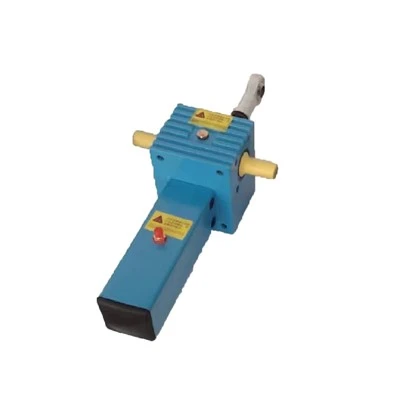
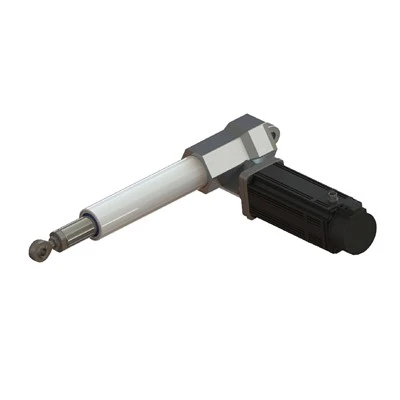
Proper positioning is an essential part of using a Heavy Duty Screw Jack safely and effectively. If the jack is not positioned securely, it may shift during lifting because of an uneven surface, an improper load direction, or an unstable support point. Therefore, before operating the jack, it is important to establish a stable and appropriate support relationship between the jack, the ground, and the load.
First, select a firm and level supporting surface. The area should not have significant soft spots, standing water, deep depressions, or large amounts of loose material. If the ground is likely to settle under load, the position of the jack may change during operation, affecting lifting stability. The area should therefore be cleared and prepared before the jack is placed.
Next, check whether the entire base of the jack is properly supported. The base should not be suspended, tilted, or only partially supported. Inadequate contact may cause the jack to shift when the load is applied. If the working surface is sloped or uneven, the support conditions should be improved before operation rather than placing the jack directly on an unstable surface.

The contact between the top of the jack and the load is equally important. The top should be positioned at an appropriate load-bearing point and should remain securely engaged with the load. The jack should not be placed near an unstable edge, a weak section, or a location where the load could easily slide. An inappropriate lifting point may cause the load to tilt or shift as it rises.
During positioning, the jack should also remain as close as possible to the proper working direction, with the movement of the screw aligned appropriately with the main direction of the load. If the jack is noticeably tilted, the screw may be subjected to additional lateral forces. This can increase operating resistance and affect lifting stability. After positioning the jack, inspect it from different directions to make sure that it is not visibly tilted.
When several Heavy Duty Screw Jacks are used to support or lift a large piece of equipment or structure, the support points should be arranged carefully. The load should not be concentrated at a single point. During lifting, observe changes in the overall position of the load and make sure that the different support points remain stable.
The area surrounding the jack should also be kept clear. Tools, metal parts, stones, and other objects may interfere with operation or create obstacles when the equipment moves. A clean working area makes it easier for operators to observe the condition of both the jack and the load.
After positioning the jack, do not immediately begin rapid lifting. Start with a slow movement and observe the condition of the base, the top contact point, and the load. If the jack shifts, the load tilts noticeably, or the contact position changes, stop the operation immediately and reposition the equipment.
In summary, the key points for properly positioning a Heavy Duty Screw Jack are a stable supporting surface, secure base contact, reliable contact at the lifting point, proper load alignment, and a clear working area. Only after confirming that the jack is positioned securely should lifting or lowering begin.