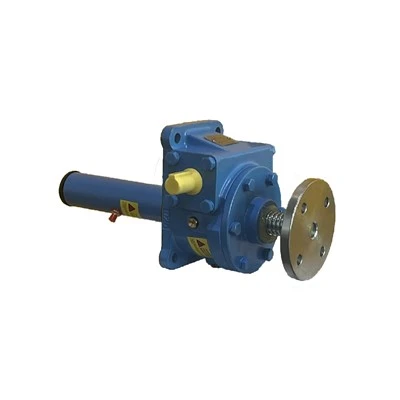
A Spiral Bevel Gearbox normally produces some mechanical operating noise. However, noticeable knocking, sharp friction sounds, or persistent whining may indicate a problem. Abnormal noise can originate inside the gearbox or result from installation conditions and connected transmission components. Identifying the source promptly helps minimize equipment wear and maintain stable power transmission.
Gear wear or improper meshing is a common cause of abnormal noise. Spiral bevel gears transmit power through contact between their tooth surfaces. If the teeth develop wear, pitting, or damage, the meshing process may become less smooth and generate unusual sounds. Prolonged operation under unsuitable load conditions may also accelerate tooth surface deterioration. If operating noise gradually increases, users should inspect the gears for wear and check whether the meshing condition has changed.
Inadequate lubrication can also increase noise. Lubricating oil reduces friction between gears and bearings. If the oil level is too low, the lubricant becomes contaminated, or its lubricating properties deteriorate, friction may increase and produce noticeable rubbing sounds. Other symptoms may include elevated operating temperatures and unstable performance. Users should check the lubrication condition according to the equipment manufacturer's recommendations, replenish or replace the lubricant when necessary, and investigate any oil leakage.
Bearing problems are another possible cause. Bearings support rotating shafts and help them operate smoothly. If a bearing becomes worn or damaged, receives insufficient lubrication, or is installed incorrectly, it may produce humming, grinding, or irregular noises. Increased vibration may occur at the same time. If the noise appears to originate near a shaft end, the bearings and their supporting components should be inspected carefully.
Installation and connection conditions can also affect operating noise. An inadequately secured gearbox, an unstable mounting foundation, or improper connections between the input shaft, output shaft, and associated equipment may cause vibration and additional noise. Problems with the motor, coupling, or other connected components may also affect the gearbox through the transmission system. Therefore, troubleshooting should cover the entire drive system rather than focusing exclusively on the gearbox housing.
Changes in load can also cause fluctuations in operating noise. When the equipment suddenly experiences a heavy load or repeated impact forces, the forces acting on the gears and bearings may change, producing unusual sounds. Users should observe whether the noise occurs during startup, under changing loads, or at particular stages of operation. This information can help identify the cause.
When abnormal noise occurs, users should inspect lubrication, mounting, connections, and operating conditions. If the noise continues to worsen or is accompanied by significant vibration or elevated temperatures, the equipment should be shut down and inspected to prevent further damage. Systematic troubleshooting and proper maintenance can help restore smooth operation and maintain the reliability of a Spiral Bevel Gearbox.