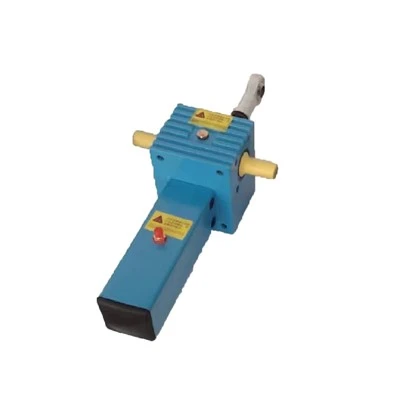
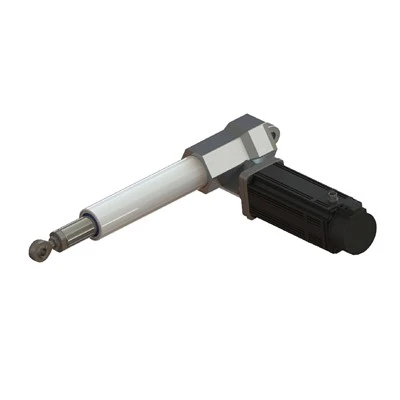
The lifting and lowering function of a Hand Crank Screw Jack relies mainly on the interaction between the screw and threaded components. Therefore, the condition of these components can directly affect hand crank operation and the smoothness of movement. Maintaining appropriate lubrication can reduce friction during operation, allow the screw to move more smoothly, and help minimize friction-related wear during long-term use.
The frequency of lubrication should be determined according to the actual operating environment and frequency of use. If a Hand Crank Screw Jack is used frequently, the screw mechanism is subjected to repeated movement and its lubrication condition may gradually deteriorate. In environments with considerable dust, moisture, or contamination, the lubrication condition should also be checked more carefully because external contaminants may affect the working surfaces.
Lubrication should not simply involve applying lubricant directly to the screw. Before lubrication, the relevant components should first be inspected. If dust, sand, old lubricant, oil contamination, or other debris is present on the screw surface, it should be cleaned first. Applying additional lubricant without cleaning the surface may cause contaminants to mix with the lubricant and accumulate around the threaded area, potentially increasing friction rather than reducing it.

After cleaning, an appropriate amount of lubricant can be applied to the screw and other relevant moving components according to the actual maintenance requirements. The purpose of lubrication is to improve the contact conditions between moving surfaces rather than to create a thick layer of lubricant. Excessive lubricant may attract dust and particles, particularly in construction areas, mechanical workshops, and other environments where airborne contaminants are present. Therefore, lubrication should be applied appropriately while the subsequent operating condition is monitored.
In addition to the exposed screw surface, the threaded engagement area should also be considered. If this area operates for a long time without sufficient lubrication, friction between the metal surfaces may gradually increase, making the hand crank more difficult to operate. Continued use under such conditions may result in restricted movement, irregular lifting, or unusual noise. Proper lubrication maintenance can therefore help maintain smoother screw movement and reduce unnecessary friction.
When a Hand Crank Screw Jack is used in a humid environment, lubrication can also form part of routine corrosion prevention. Moisture can accelerate corrosion on exposed metal surfaces, making the screw and threaded components particularly important areas to monitor. If the jack comes into contact with water, it should be cleaned and dried promptly, followed by an inspection for signs of rust. Proper maintenance can help reduce the adverse effects of moisture on metal moving components.
For Hand Crank Screw Jacks that have been stored for an extended period, the screw condition should be checked before the equipment is returned to service. If the jack has remained unused for a long time, the original lubrication condition may have changed, while the screw surface may have been affected by dust or moisture. Before use, inspect and clean the screw, confirm that the lifting movement is smooth, and perform lubrication maintenance if necessary.
Therefore, a Hand Crank Screw Jack should be lubricated appropriately according to its frequency of use, operating environment, and actual condition. Keeping the screw mechanism clean and maintaining suitable lubrication can help reduce friction and abnormal wear while supporting smooth operation during long-term use.