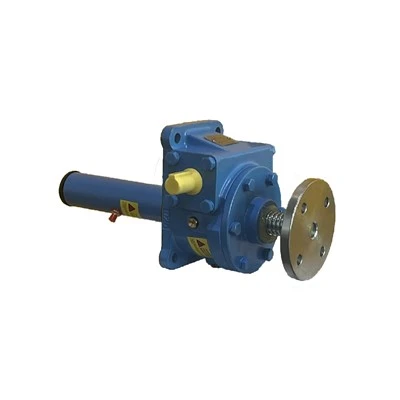
The High Accuracy Linear Actuator is normally designed to operate with low noise, but abnormal sounds during operation may indicate changes in the working condition of the equipment. There are several possible causes of increased noise, including mechanical component conditions, motor performance, installation accuracy, and the surrounding operating environment.
First, insufficient lubrication of transmission components is one of the most common causes of operating noise. The internal structure of the High Accuracy Linear Actuator includes components such as screws, nuts, gears, and sliding parts, which require proper lubrication to maintain smooth operation. When lubrication decreases, friction between components increases, which may create abnormal sounds and affect overall operating performance.
Second, wear of internal components can also lead to increased noise. After long-term operation, transmission parts such as screws, nuts, or gears may experience gradual wear, causing changes in the fitting accuracy between components. Increased clearance or mechanical looseness may result in vibration and unusual sounds during movement. Regular inspection of key components can help identify problems at an early stage.
Improper installation is another factor that may affect operating noise. If the actuator is installed with alignment errors, insufficient fixation, or excessive side loading, the internal mechanism may experience additional resistance. This can increase the load on the motor and transmission system, resulting in louder operating sounds. Proper installation and correct alignment can significantly reduce such problems.
In addition, abnormal motor conditions may also cause noise. Issues such as unstable power supply, internal motor wear, or unsuitable control parameters may affect smooth operation. For High Accuracy Linear Actuators equipped with intelligent control systems, checking the control system status is also necessary to prevent irregular movement or frequent starting and stopping.
To reduce operating noise, users should maintain the actuator properly according to the working environment and frequency of use. Keeping transmission components clean, applying suitable lubrication, checking installation conditions, and replacing severely worn parts when necessary can help maintain quiet and stable operation while extending the service life of the actuator.